Table of Contents
- Knowledge Base
- Cleaning and Disinfection
- How Can Cleanrooms Effectively Manage Disinfectant Residues?
 Contec Cleanroom
 Life Sciences, Disinfectants, Contamination Control, Residue Management, Article
How Can Cleanrooms Effectively Manage Disinfectant Residues?
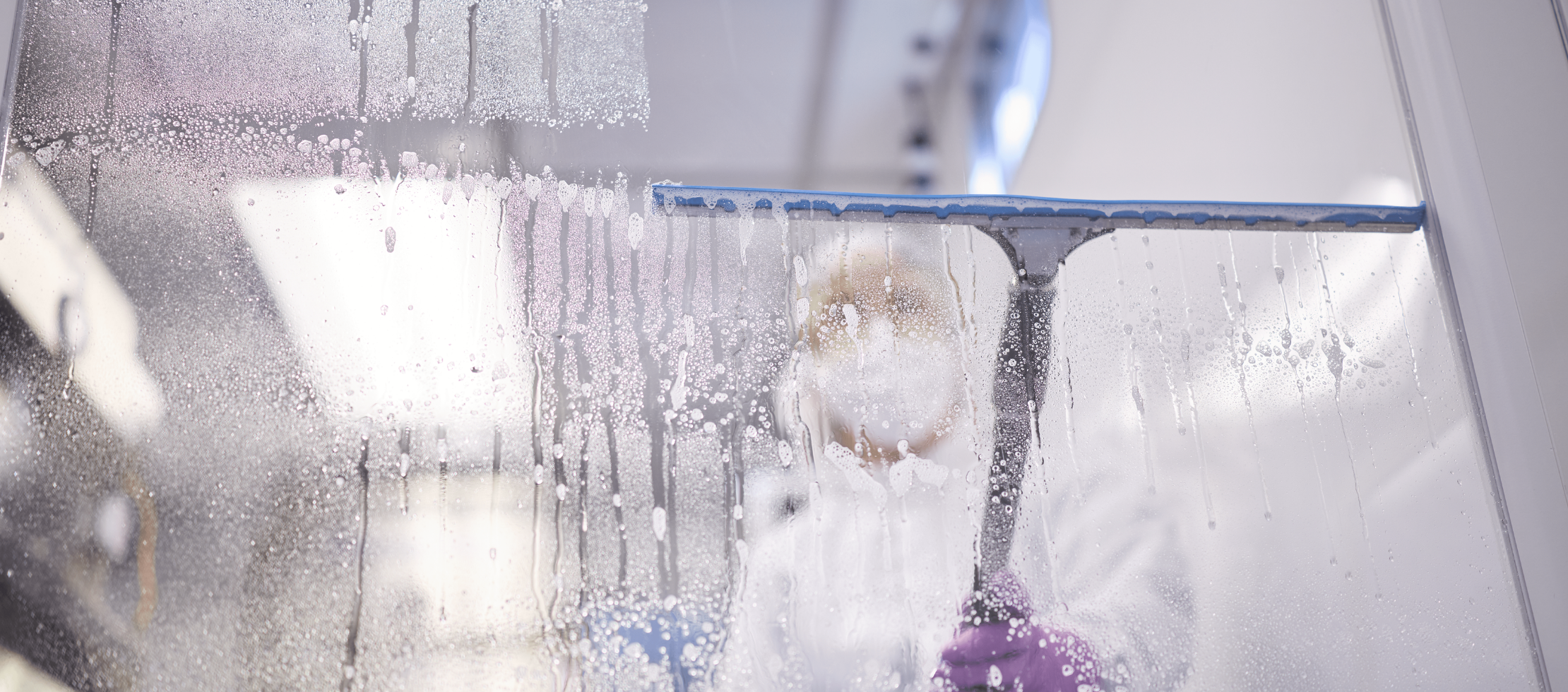
Disinfectant residue management is an essential part of contamination control in pharmaceutical cleanrooms. Residues from disinfectants and cleaning agents can affect surface cleanliness, product quality, equipment performance, and microbial control if not properly managed. The article explains that effective residue management requires selecting appropriate disinfectants, implementing validated cleaning procedures, and understanding how residues interact with cleanroom surfaces and processes.
Why Is Residue Management Important in Cleanrooms?
Residue management is critical because disinfectant and cleaning residues may accumulate on cleanroom surfaces over time.
If residues are not properly controlled, they may:
-
Interfere with cleaning effectiveness
-
Affect disinfectant performance
-
Impact equipment operation
-
Create visual contamination
-
Contribute to microbial harborage
-
Affect product quality
Residue control is an important component of an overall contamination control strategy.
What Causes Disinfectant Residues in Pharmaceutical Environments?
Disinfectant residues form when active ingredients or formulation components remain on surfaces after application and drying.
Residue levels may be influenced by:
-
Disinfectant chemistry
-
Concentration levels
-
Application frequency
-
Surface type
-
Water quality
-
Drying conditions
-
Cleaning practices
Repeated disinfectant use without effective residue removal may lead to visible or invisible buildup over time.
How Can Residues Affect Cleanroom Operations?
There are several operational risks associated with residue accumulation.
Residues may:
-
Create sticky or hazy surface films
-
Affect equipment functionality
-
Trap particles or microorganisms
-
Reduce surface appearance quality
-
Interfere with process equipment
-
Complicate cleaning procedures
Residue buildup may become particularly problematic on frequently disinfected surfaces within high-grade cleanroom environments.
Which Disinfectants Are More Likely to Leave Residues?
Different disinfectant chemistries produce different residue profiles. Some disinfectants may leave more noticeable residues depending on their formulation and active ingredients.
Examples of disinfectant chemistries include:
-
Quaternary ammonium compounds
-
Phenolics
-
Chlorine-based products
-
Oxidizing agents
Alcohols such as IPA and ethanol are generally associated with lower residue levels because they evaporate rapidly.
The article emphasizes that facilities should balance residue considerations with disinfectant efficacy and regulatory requirements.
How Do Cleanroom Surfaces Influence Residue Formation?
Surface material and finish significantly affect residue behavior.
Residue accumulation may vary depending on:
-
Surface texture
-
Surface energy
-
Material compatibility
-
Surface condition
-
Frequency of cleaning
Smooth cleanroom surfaces may allow easier residue removal, while damaged or textured surfaces may encourage buildup.
Residues may appear differently on glass, stainless steel, plastics, and coated surfaces.
Why Is Residue Removal Important for Contamination Control?
Residue removal supports both cleanliness and microbial control.
Residues may interfere with contamination control by:
-
Shielding microorganisms
-
Preventing effective disinfectant contact
-
Increasing particle attraction
-
Creating uneven surface conditions
Routine residue removal helps maintain cleanroom appearance, cleaning effectiveness, and consistent contamination control performance.
What Role Does Cleaning Validation Play in Residue Management?
Cleaning validation is an important component of residue management programs.
Facilities should validate:
-
Cleaning effectiveness
-
Residue removal procedures
-
Surface compatibility
-
Rinsing procedures where applicable
-
Cleaning frequencies
Validation helps demonstrate that cleaning procedures consistently control residue accumulation within acceptable limits.
How Can Facilities Reduce Disinfectant Residue Buildup?
There are several practical strategies for minimizing residue accumulation:
-
Selecting low-residue disinfectants where appropriate
-
Implementing regular residue removal procedures
-
Rotating disinfectants when necessary
-
Using appropriate application methods
-
Following manufacturer instructions
-
Maintaining validated cleaning schedules
Residue management should be proactive rather than reactive.
What Operational Factors Affect Residue Accumulation?
Several operational conditions may influence residue formation and removal:
-
Frequency of disinfectant application
-
Concentration control
-
Environmental conditions
-
Cleaning techniques
-
Water quality
-
Operator practices
Facilities should assess how their actual cleanroom workflows contribute to residue buildup over time.
Conclusion
Residue management is an essential aspect of pharmaceutical cleanroom contamination control. By selecting appropriate disinfectants, validating cleaning procedures, and implementing effective residue removal strategies, facilities can maintain surface cleanliness, equipment performance, and regulatory compliance.
Key Takeaways
-
Disinfectant residues can affect contamination control, equipment performance, and cleanroom appearance.
-
Residue accumulation depends on disinfectant chemistry, surface type, and operational practices.
-
Alcohol-based disinfectants generally produce lower residue levels than some other chemistries.
-
Cleaning validation should include residue removal effectiveness.
-
Proactive residue management helps maintain consistent cleanroom performance.
 return to overview
 back to top