Table of Contents
- Knowledge Base
- Cleanroom Disinfectants
- What Methods Are Used to Test Presaturated Disinfectant Wipes for Cleanroom Use?
 Contec Cleanroom
 Life Sciences, Wiping, Disinfectants, Article
What Methods Are Used to Test Presaturated Disinfectant Wipes for Cleanroom Use?
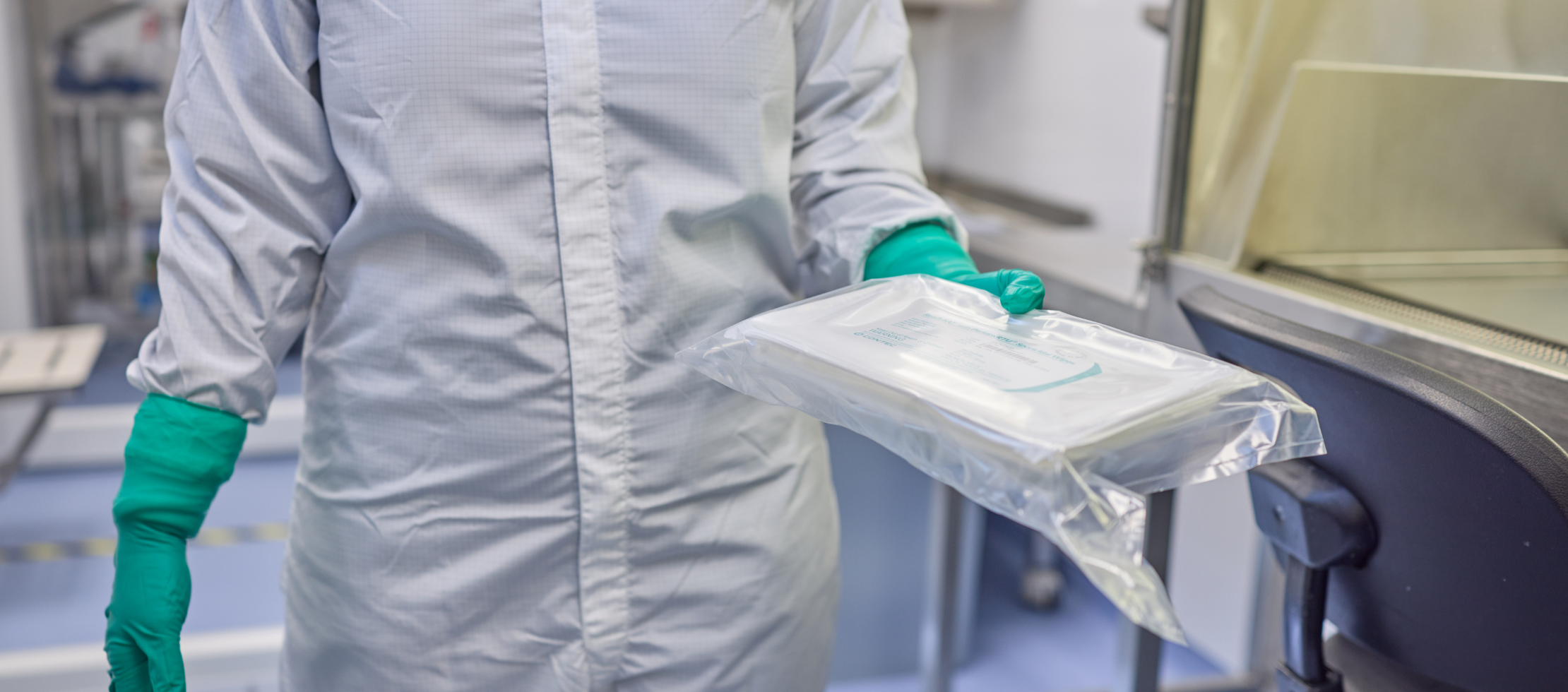
Presaturated disinfectant wipes used in pharmaceutical cleanrooms must be tested to ensure they effectively apply disinfectants, remove contamination, and support microbial control under real-use conditions. The article explains that wipe testing should evaluate both the disinfectant chemistry and the physical wiping process because mechanical action significantly influences cleaning and disinfection performance.
Why Do Presaturated Wipes Require Specialized Testing?
Presaturated wipes combine both a disinfectant chemistry and a wiping substrate, making them fundamentally different from liquid disinfectants alone.
Because wipes physically contact and move across surfaces, testing must evaluate:
Disinfectant efficacy
Mechanical removal of contamination
Surface coverage
Liquid release characteristics
Material compatibility
Real-use application conditions
Evaluating only the liquid disinfectant is insufficient for understanding overall wipe performance.
How Are Presaturated Wipes Different From Liquid Disinfectants?
Presaturated wipes deliver disinfectant through a wipe substrate rather than direct liquid application.
Wipe performance depends on both:
-
The chemistry of the disinfectant
-
The physical properties of the wipe material
Factors such as absorbency, release efficiency, and wipe construction may influence how effectively disinfectant is transferred to the surface. Wipes also introduce mechanical action that may contribute to contamination removal.
What Factors Affect Wipe Performance?
There are several variables that influence the effectiveness of presaturated wipes.
The effectiveness of presaturated wipes depends on:
-
Wipe substrate material
-
Saturation levels
-
Disinfectant formulation
-
Surface type
-
Wiping technique
-
Contact time
-
Pressure applied during wiping
-
Surface texture
Wipe performance should be evaluated under conditions that reflect actual cleanroom use.
Which Efficacy Test Methods Are Used for Presaturated Wipes?
There are several efficacy testing approaches relevant to disinfectant wipes.
Referenced methods and standards include:
-
EN test methods
-
AOAC methods
-
Surface carrier tests
-
Suspension tests
-
Mechanical action tests
Standard suspension tests alone may not fully represent wipe performance because they do not assess physical wiping action. Testing methods that incorporate wiping mechanics provide more realistic evaluations of how products perform in cleanroom applications.
Why Is Mechanical Action Important in Wipe Testing?
Mechanical action is identified as a critical component of wipe performance.
Wiping contributes to:
-
Physical removal of contamination
-
Distribution of disinfectant across surfaces
-
Soil removal
-
Surface wetting
Testing that excludes wiping action may not accurately represent how presaturated wipes function during actual cleanroom cleaning and disinfection procedures. Both the disinfectant chemistry and wiping process contribute to overall efficacy.
How Does Disinfectant Release Affect Efficacy?
Wipe substrates must effectively release disinfectant onto surfaces to achieve microbial control.
Important considerations include:
-
Liquid retention
-
Uniform release
-
Surface wetting
-
Coverage consistency
-
Wet contact time
If too much liquid remains trapped within the wipe material, disinfectant performance on the surface may be reduced. Wipe material selection directly influences disinfectant delivery.
What Surface Considerations Apply to Wipe Testing?
Surface type is an important factor during wipe efficacy testing.
Different surfaces may affect:
-
Disinfectant spread
-
Wetting behavior
-
Contact time
-
Soil retention
-
Microbial adherence
Testing should therefore consider the types of surfaces commonly found in pharmaceutical and cleanroom environments. Smooth cleanroom surfaces may behave differently from porous or textured materials used in standard laboratory testing.
Why Are Real-Use Conditions Important During Validation?
Wipe validation should reflect actual operational conditions as closely as possible.
Relevant real-use considerations include:
-
Wiping patterns
-
Operator technique
-
Surface orientation
-
Cleanroom workflows
-
Contact times
-
Environmental conditions
Testing products under realistic conditions helps ensure that laboratory performance aligns with practical cleanroom application.
What Regulatory Expectations Apply to Wipe Efficacy Testing?
Regulatory agencies increasingly recognize the importance of evaluating wipes under conditions that simulate actual use.
Regulatory guidance and standards support:
-
Mechanical action testing
-
Surface-based efficacy methods
-
Realistic application conditions
-
Demonstration of microbial reduction
Facilities should ensure wipe validation programs align with applicable regional regulations and contamination control strategies.
Conclusion
Presaturated disinfectant wipes require specialized testing because both disinfectant chemistry and mechanical wiping action contribute to contamination control performance. Effective validation should evaluate real-use conditions, surface interactions, disinfectant release, and microbial efficacy to ensure cleanroom suitability.
Key Takeaways
-
Presaturated wipes combine chemical disinfection with physical wiping action.
-
Mechanical action plays a major role in contamination removal and disinfectant distribution.
-
Standard suspension tests alone may not accurately reflect wipe performance.
-
Wipe substrate material significantly affects disinfectant release and surface coverage.
-
Real-use testing conditions are important for accurate cleanroom wipe validation.
 return to overview
 back to top