Table of Contents
 Contec Cleanroom
 Life Sciences, Mopping, Contamination Control, Sustainability, Article
Should Cleanrooms Use Laundered or Disposable Mop Systems?
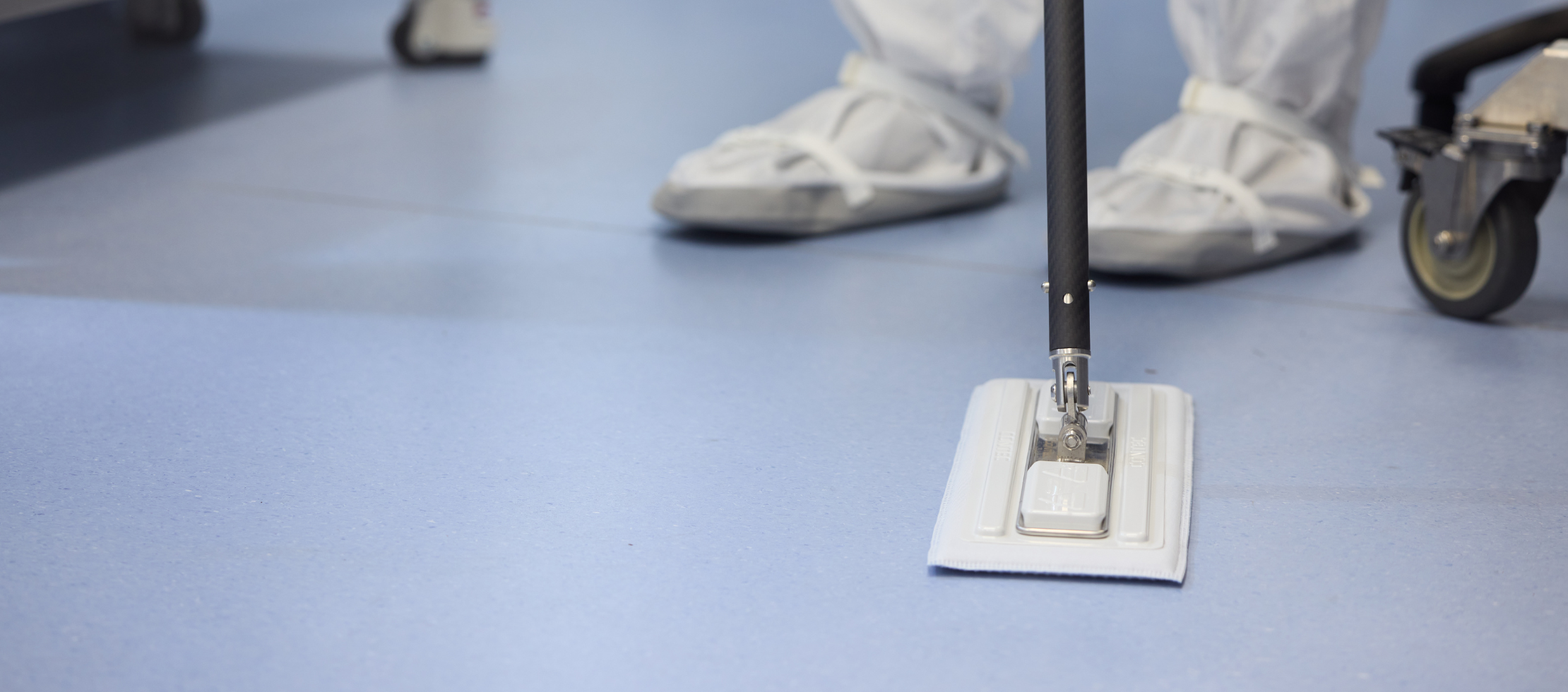
Both laundered and disposable mop systems can be effective in pharmaceutical cleanrooms when properly managed and validated. The article explains that facilities should evaluate contamination control requirements, operational efficiency, cost, laundering validation, sustainability goals, and cleaning performance when selecting between reusable and disposable mop systems.
Why Is Mop System Selection Important in Cleanrooms?
Mop systems are an essential part of contamination control within pharmaceutical and controlled environments.
Mop selection affects:
-
Surface cleanliness
-
Disinfectant application
-
Particle control
-
Operational efficiency
-
Waste generation
-
Cleaning consistency
Because mops are repeatedly used on critical surfaces, facilities must ensure the selected system supports validated cleaning and contamination control procedures.
What Are Laundered Cleanroom Mop Systems?
Laundered mop systems use reusable mop heads that are cleaned, processed, and prepared for repeated use.
Reusable systems typically involve:
-
Laundering processes
-
Drying procedures
-
Packaging systems
-
Sterilization processes where required
-
Controlled storage and transport
Reusable systems are commonly used in facilities seeking to reduce consumable waste and long-term operating costs.
What Are Disposable Cleanroom Mop Systems?
Disposable mop systems use single-use mop heads designed for one cleaning session before disposal.
Disposable systems are often selected for:
-
Simplicity
-
Reduced laundering requirements
-
Lower risk of cross-contamination
-
Operational convenience
-
High-grade cleanroom applications
Disposable systems eliminate the need for validated laundering programs but increase consumable waste.
What Are the Advantages of Laundered Mop Systems?
There are several potential benefits associated with reusable mop systems.
Advantages may include:
-
Reduced consumable waste
-
Lower long-term operational costs
-
Sustainability improvements
-
Reduced storage requirements for disposables
-
Consistent system standardization
Reusable systems may be attractive for facilities prioritizing environmental sustainability and cost efficiency.
What Are the Challenges of Reusable Mop Systems?
Reusable systems also introduce operational and validation challenges.
Concerns include:
-
Laundering validation
-
Residual contamination risks
-
Cross-contamination potential
-
Tracking and lifecycle management
-
Sterility assurance requirements
-
Variability in laundering performance
Facilities using reusable systems must ensure laundering processes consistently maintain mop cleanliness and functionality.
What Are the Advantages of Disposable Mop Systems?
Disposable mop systems offer several operational advantages.
Benefits of disposable mopping systems in cleanrooms include:
-
Simplified operations
-
Elimination of laundering requirements
-
Reduced cross-contamination concerns
-
Consistent product quality
-
Easier implementation
Disposable systems may be especially useful in environments with strict sterility or contamination control expectations.
How Do Contamination Control Requirements Affect Mop Selection?
Contamination control requirements should drive mop system decisions.
Facilities should consider factors such as:
-
Cleanroom classification
-
Surface criticality
-
Sterility requirements
-
Cleaning frequencies
-
Disinfectant compatibility
-
Cross-contamination risks
Ddifferent cleanroom environments may require different cleaning approaches and mop system configurations.
What Validation Considerations Apply to Reusable Mop Systems?
Reusable mop systems require validated laundering and handling processes to ensure continued cleanroom suitability.
Validation considerations may include:
-
Cleaning effectiveness
-
Residue removal
-
Particle levels
-
Sterility assurance
-
Packaging integrity
-
Material durability
Reusable systems should be monitored throughout their lifecycle to ensure ongoing performance.
How Do Cost and Sustainability Influence Mop Decisions?
Facilities often evaluate both financial and environmental considerations when selecting mop systems.
Reusable systems may reduce:
-
Long-term consumable costs
-
Waste generation
-
Environmental impact
Disposable systems may reduce:
-
Operational complexity
-
Validation burdens
-
Processing requirements
Facilities should balance cost, sustainability, operational efficiency, and contamination control needs.
Which Factors Should Facilities Evaluate Before Choosing a Mop System?
It is better to evaluate mop systems holistically rather than focusing on a single factor.
Facilities should consider:
-
Contamination control requirements
-
Cleanroom classification
-
Validation capabilities
-
Waste management
-
Operational workflow
-
Labor requirements
-
Cost implications
-
Sustainability objectives
No single mop system is universally appropriate for all cleanroom environments.
Conclusion
Both reusable and disposable mop systems can support effective cleanroom contamination control when properly selected and validated. Facilities should evaluate operational, environmental, regulatory, and contamination control requirements to determine the most appropriate system for their cleanroom applications.
Key Takeaways
-
Reusable and disposable mop systems each offer distinct operational and contamination control advantages.
-
Reusable mop systems require validated laundering and lifecycle management processes.
-
Disposable systems simplify operations but generate more consumable waste.
-
Contamination control requirements should remain the primary driver for mop system selection.
-
Facilities should evaluate sustainability, cost, validation, and operational efficiency together when selecting mop systems.
 return to overview
 back to top