Why Cleaning Technique Matters
The presenters explain that cleaning technique is one of the most overlooked contributors to contamination control success.
Poor technique can:
- Spread contamination instead of removing it
- Leave microorganisms on surfaces
- Create inconsistent disinfectant coverage
- Reduce cleaning effectiveness
- Increase contamination risk
The discussion reinforces that successful cleaning is both a physical soil removal process and a microbiological contamination-control process. Technique consistency is just as important as disinfectant selection.
Regulatory Expectations and Good Manufacturing Practice
Proper cleaning techniques support GMP compliance and contamination-control expectations.
Regulators increasingly expect organizations to demonstrate:
- Controlled cleaning procedures
- Validated cleaning practices
- Consistent operator performance
- Appropriate documentation
- Effective contamination-control strategies
The discussion emphasizes that written procedures alone are insufficient if operators are not consistently following them during routine operations.
Cleaning technique is an essential element of an organization's overall contamination-control program.
Preparing for Effective Cleaning and Disinfection
Before cleaning begins, operators should ensure equipment, materials, and disinfectants are prepared correctly.
Operator preparedness in the cleanroom includes:
- Selecting appropriate cleaning tools
- Preparing disinfectants correctly
- Organizing cleaning materials
- Planning cleaning sequences
- Avoiding cross-contamination
- Maintaining clean equipment
Preparation helps improve efficiency while reducing opportunities for contamination during cleaning activities. Remember, it is important to use clean wipes and mop heads and replacing them when necessary.
Proper Wiping Techniques for Cleanroom Surfaces
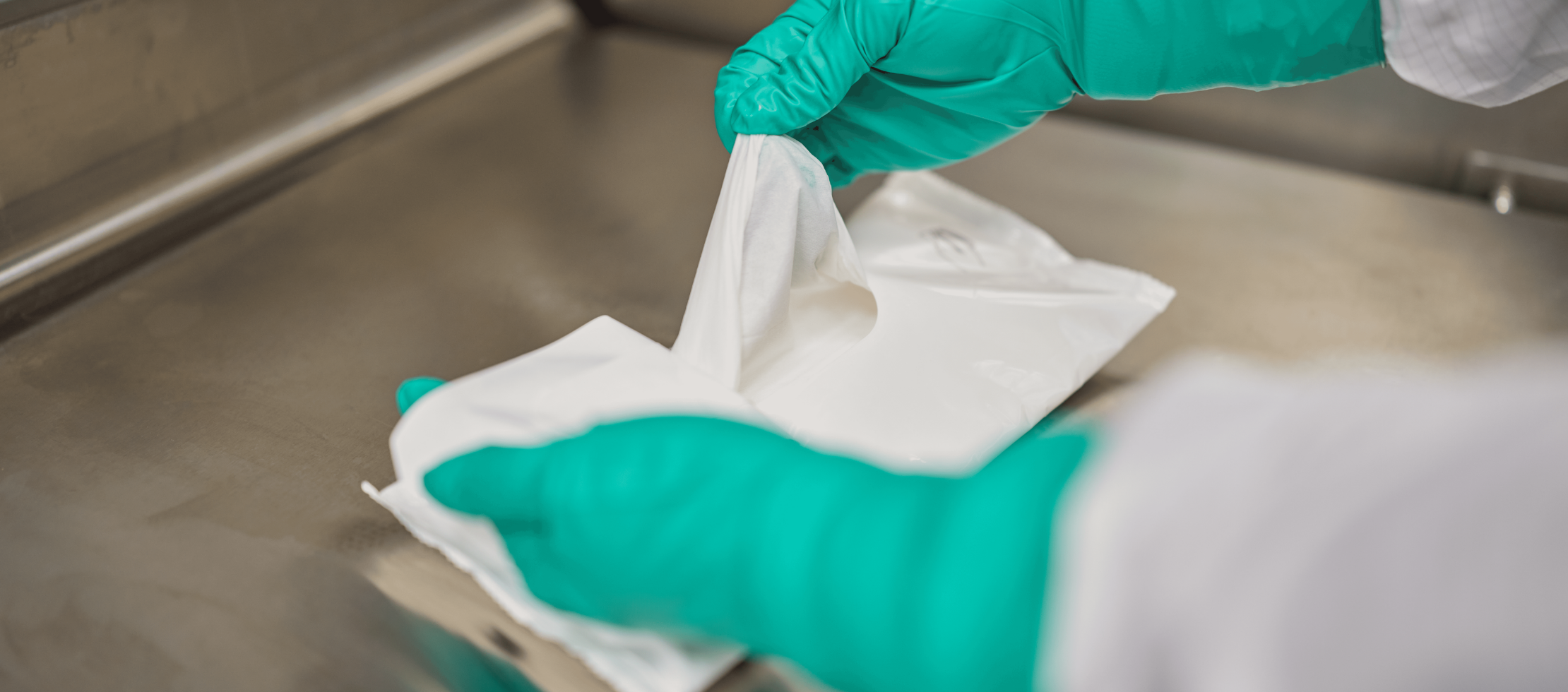
Correct wiping techniques for cleanroom surfaces:
- Wiping in one consistent direction
- Using overlapping strokes
- Applying even pressure
- Avoiding circular wiping motions
- Folding wipes correctly
- Using clean wipe surfaces frequently
- Preventing recontamination
Improper wiping can redistribute contamination rather than remove it. Standardized wiping methods improve both cleaning consistency and validation repeatability.
Effective Mopping Techniques for Floors, Walls, and Ceilings
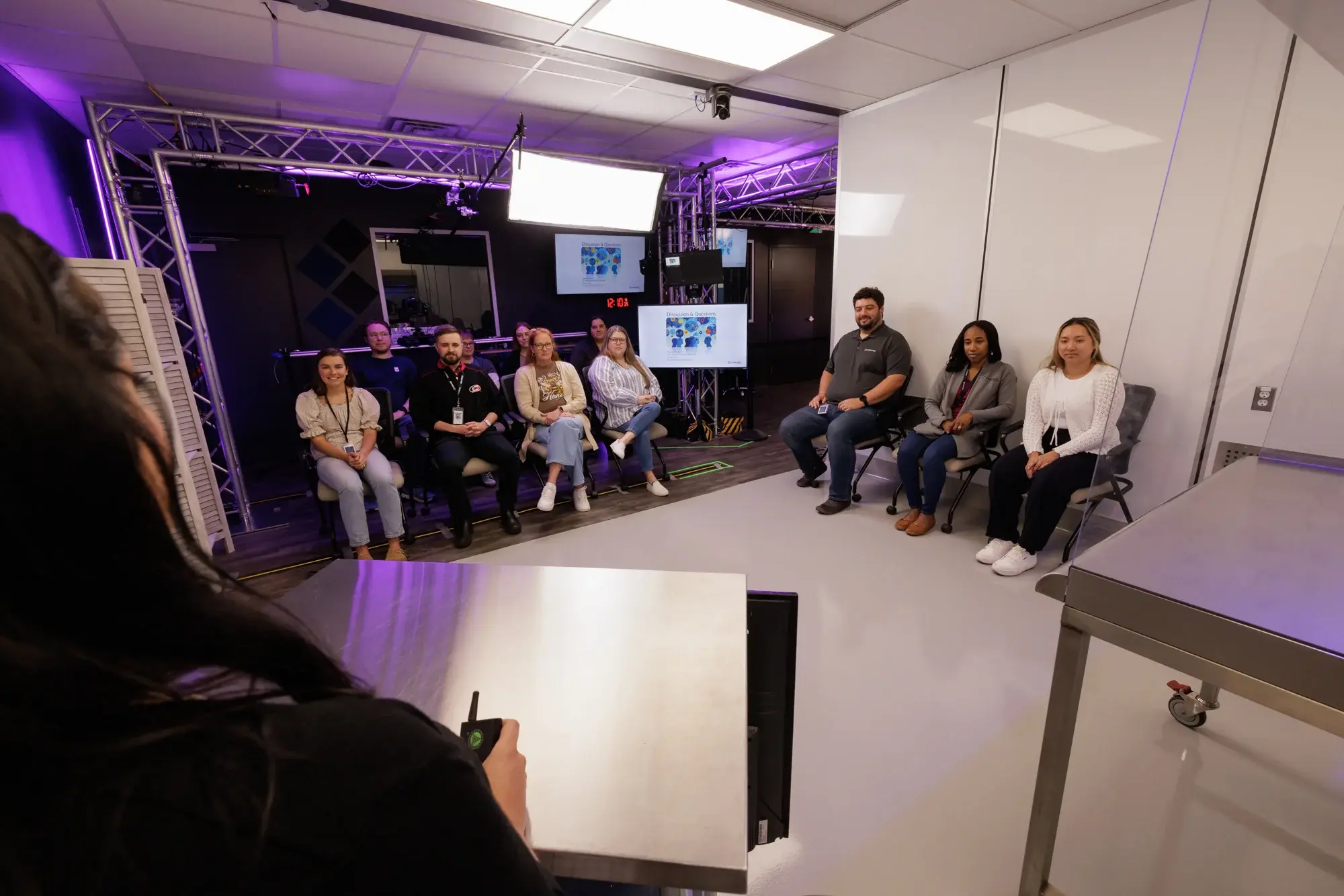
The webinar includes practical demonstrations of cleanroom mopping techniques.
Proper cleanroom mopping techniques include:
- Correct mop movements
- Figure-eight and directional cleaning patterns where appropriate
- Maintaining consistent surface coverage
- Cleaning from cleaner areas toward dirtier areas
- Avoiding contamination spread
- Changing mop heads appropriately
- Reaching difficult surfaces safely
Consistent mopping techniques improve contamination removal while reducing operator variability. There are also ergonomic considerations that help operators maintain technique throughout extended cleaning activities.
Wet Contact Time and Disinfectant Performance
Disinfectants must remain wet for their validated contact time to achieve intended microbial reduction.
Factors affecting wet contact time:
- Application volume
- Surface material
- Evaporation
- Environmental conditions
- Operator technique
Applying insufficient disinfectant or wiping surfaces dry too quickly can reduce disinfectant effectiveness. It is important to ensure adequate surface wetness throughout the required contact period.
Human Factors, Training, and Common Operator Errors
Operator behavior is one of the largest sources of variation within cleaning programs.
Common errors associated with operator behavior include:
- Inconsistent wiping patterns
- Skipping surface areas
- Reusing contaminated wipes
- Poor mop handling
- Incorrect disinfectant application
- Rushing procedures
- Inadequate training
Regular training and competency assessments are essential for maintaining cleaning consistency. Organizations should observe operators performing cleaning tasks rather than relying solely on classroom instruction.
Standardization, Documentation, and Continuous Improvement
It is imperative to have standardized cleaning procedures and continuous process improvement in your cleanrooms.
Organizations should:
- Develop clear SOPs
- Standardize cleaning techniques
- Validate cleaning procedures
- Train operators consistently
- Monitor cleaning performance
- Review environmental monitoring data
- Continuously improve procedures
Documentation is an important tool used for demonstrating procedural consistency and supporting regulatory inspections.
Cleaning technique should be reviewed periodically as part of the overall contamination-control strategy.
 Contec Cleanroom
 Life Sciences, Microelectronics, Cleaning, Webinar



 return to overview
 back to top